Traditional Offices vs Shared Office Spaces – What Offers More Value?
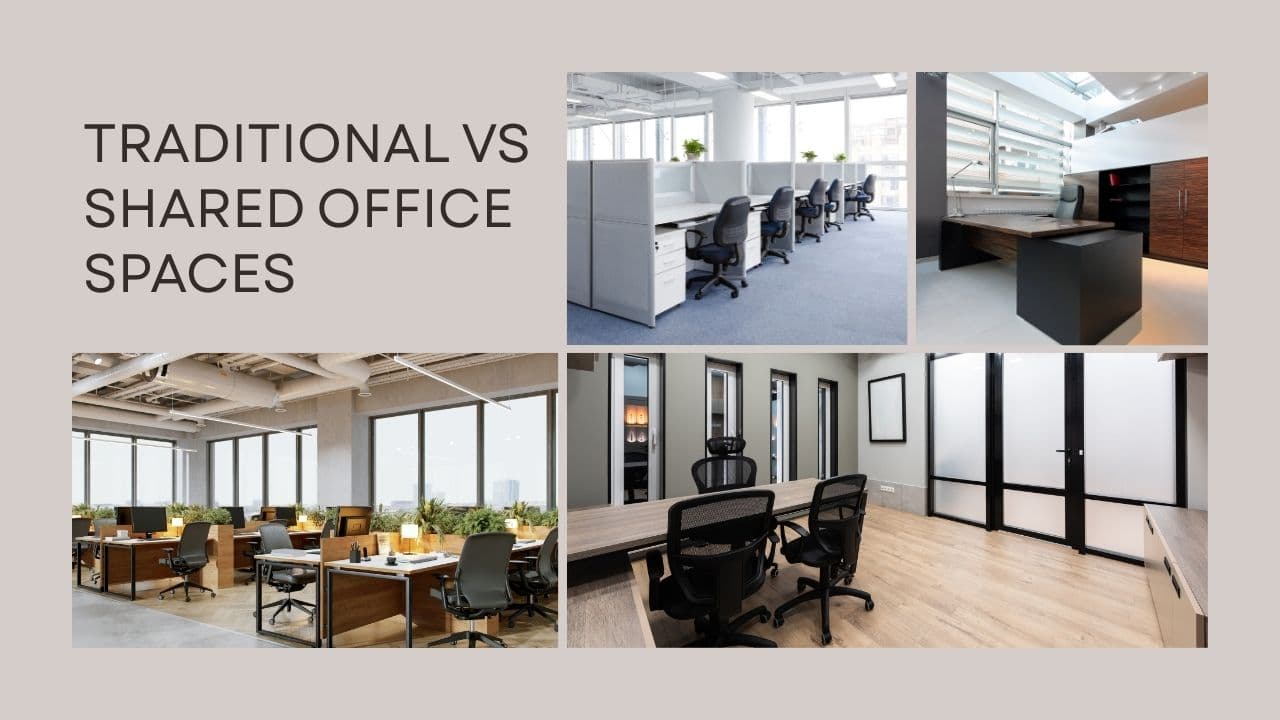
Why Modern Teams Are Choosing Shared Workspaces Over Traditional Offices?
The landscape of work has changed dramatically over the last decade. Businesses are no longer confined to rigid, long-term leases or isolated office environments. Instead, companies, from early-stage startups to global teams, are exploring smarter, more flexible work models. Among these shifts, shared office spaces (coworking) have emerged as a strong alternative to traditional offices, offering a modern, cost-effective, and community-driven environment.
If you're evaluating which model creates more value for your business, here’s a complete breakdown to help you decide.
1. Cost Efficiency and Flexibility
Traditional Offices
A traditional office requires long-term commitment, upfront deposits, interior setup, maintenance, furniture, utilities, and ongoing operational expenses. These cumulative costs can be overwhelming, especially for startups, freelancers, and small teams.
Shared Office Spaces
Shared workspaces operate on a pay-as-you-go or monthly subscription model. They eliminate the need for large capital investments, reduce operational overhead and offer scalable plans, allowing teams to expand or downsize without financial strain.
Winner: Shared office spaces for providing flexibility and predictable budgeting.
2. Infrastructure and Amenities
Traditional Offices
Setting up infrastructure, high-speed internet, meeting rooms, ergonomic furniture, IT support, power backup, requires significant planning and cost. Upgrades and repairs must also be handled independently.
Shared Office Spaces
Coworking environments come fully equipped with thoughtfully designed workstations, conference rooms, collaborative zones, relaxation areas, printing stations, and more. Premium coworking providers go a step further by offering specialised zones such as AI labs, podcast rooms, creator studios and innovation hubs.
Winner: Shared office spaces for offering ready-to-use, high-quality facilities.
3. Community & Networking Opportunities
Traditional Offices
Teams often operate in isolation, limiting cross-industry interactions. Networking events, knowledge-sharing, and mentorship opportunities are usually rare or require additional effort and investment.
Shared Office Spaces
Coworking environments thrive on community. You work alongside entrepreneurs, freelancers, tech innovators, AI engineers, designers, product founders, and remote teams. Regular workshops, industry meetups, and community-driven events create opportunities for collaboration, hiring, partnerships, and learning.
Winner: Shared office spaces, a major value driver for professionals seeking real connections.
4. Innovation & Future-Ready Ecosystems
Traditional Offices
While private offices can be customised, they often lack advanced innovation infrastructure, especially for fast-evolving fields like AI, robotics, or digital media creation.
Shared Office Spaces
Modern coworking spaces, especially innovation-focused ones, offer specialised environments such as GPU-powered AI labs, high-performance computing zones, brainstorming lounges and tech-driven meeting spaces. These environments fuel creativity and accelerate what teams can achieve.
Winner: Shared office spaces for fostering innovation.
5. Productivity & Work Experience
Traditional Offices
Work culture is usually more rigid, and the energy may feel monotonous. Many employees find this limiting, especially those who thrive in dynamic, collaborative environments.
Shared Office Spaces
Coworking spaces are designed with productivity psychology in mind. Natural lighting, community energy, flexible seating, focus zones, and informal breakout areas help boost motivation. The atmosphere feels less corporate and more inspiring, without compromising professionalism.
Winner: Shared office spaces for creating an energising work environment.
6. Scalability for Growing Teams
Traditional Offices
Scaling requires physical expansion, contractual changes, and often relocation, disrupting workflow.
Shared Office Spaces
Teams can upgrade from hot desks to dedicated desks or private cabins instantly. No downtime. No renovation. No lock-in periods.
Winner: Shared office spaces with effortless scalability.
Which One Offers More Value?
For most modern teams, especially remote workers, early-stage founders, creative professionals and tech specialists, shared office spaces offer significantly more value than traditional offices. The combination of flexibility, community, innovation infrastructure and cost-efficiency makes coworking the smarter choice for the future of work.
Traditional offices still suit large enterprises requiring deep customisation and privacy, but even many corporates today are shifting to hybrid models that utilize coworking spaces for innovation teams, satellite offices, and distributed teams.
Arenesha Coworking Studio: Designed for the Future of Work
If your team values flexibility, community, and innovation, Arenesha Coworking Studio in Hyderabad offers a future-ready workspace enriched with specialised AI labs, high-performance amenities, private cabins, and a thriving network of professionals.
Explore more about Arenesha’s coworking ecosystem here: Arenesha Coworking Studio
Read More: 5 Points to consider when choosing the right coworking space
Related articles

Top Networking Opportunities for Entrepreneurs in Hyderabads Coworking Community
Hyderabad’s coworking ecosystem has become a powerful networking hub for entrepreneurs, freelancers, and startups looking to grow their businesses.
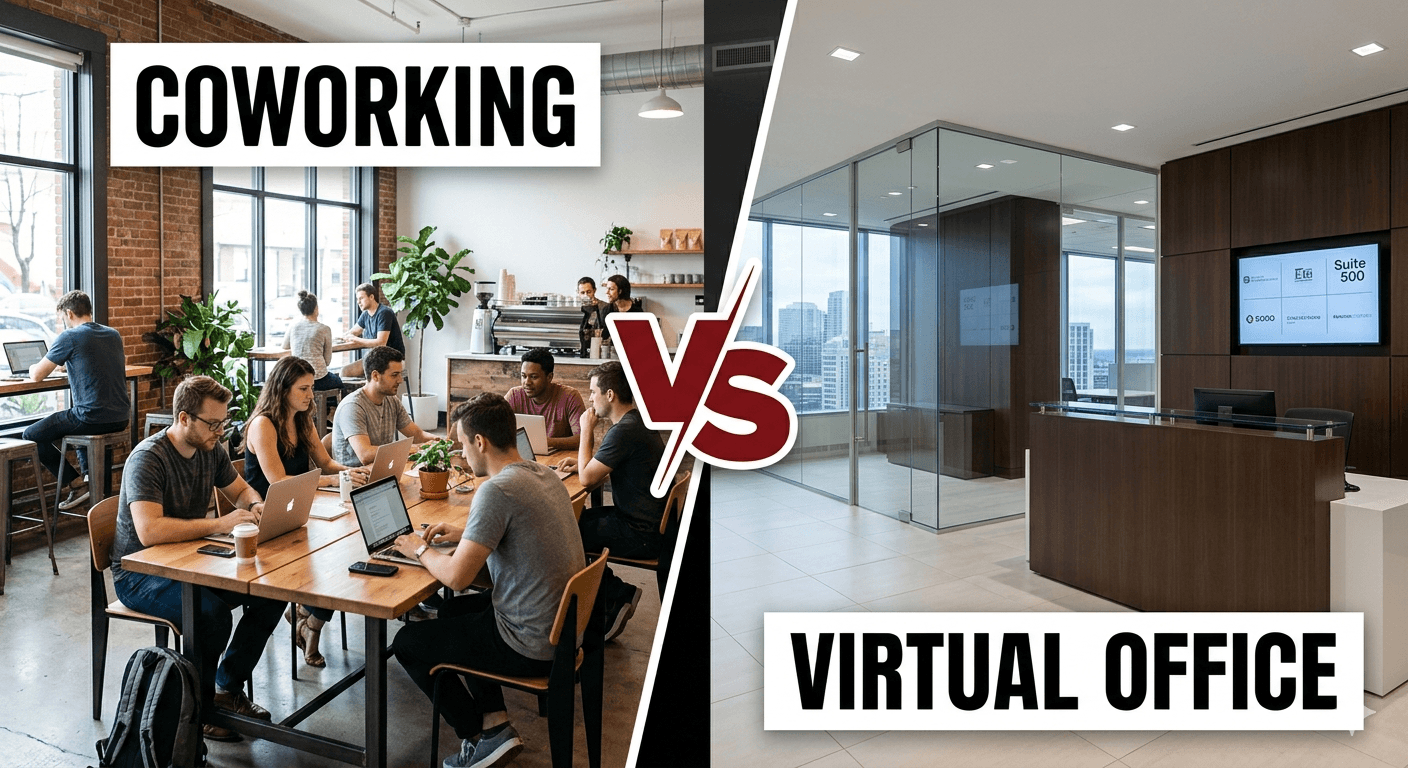
Coworking Space vs Virtual Office in Hyderabad: Which One Is Right for Your Business?
Trying to choose between a virtual office and a coworking space in Hyderabad? Compare costs, features, benefits, and find the best fit for your business.
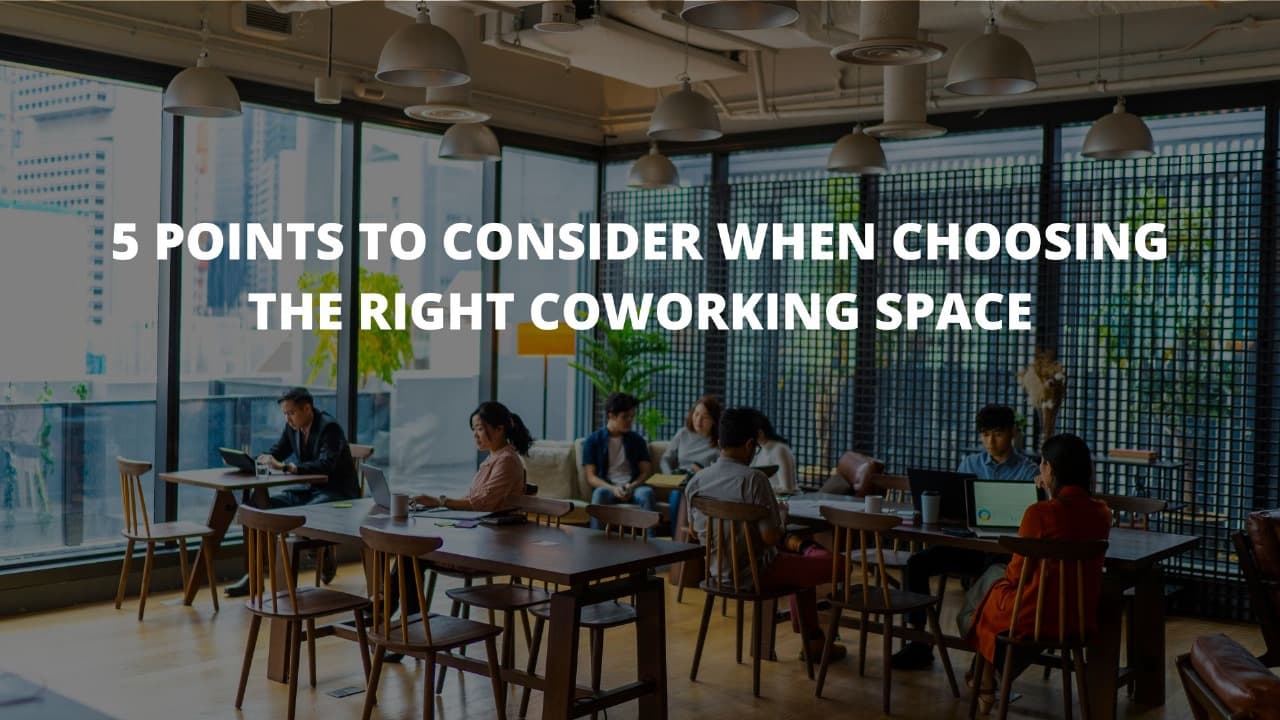
How to Choose a Coworking Space in Hyderabad That Truly Works for You?
Over the past few years, the concept of coworking has evolved from being a startup trend to a mainstream work culture. Professionals from all industries, freelancers, entrepreneurs, and even corporate employees, now prefer flexible, collaborative environments over traditional offices.